Skin tone guide
Skin tone names: a chart from fair to deep
Skin tone names describe two things: how light or deep your skin is (fair, light, medium, tan, deep) and the undertone beneath it (warm, cool, neutral or olive). Makeup brands add their own skin tone names, from porcelain and ivory to espresso and ebony, and researchers use numbered scales such as the Monk Skin Tone Scale and the Fitzpatrick scale. This page puts the common skin tone names in one chart, explains what each word means and shows how to find yours.
Updated

Skin tone names from fair to deep
These are the depth names most people and most foundation ranges use. Each skin tone name covers a range of shades rather than one exact color, and many people sit between two of them.
Fair
#f3dfcf
The lightest skin tones; also called porcelain or alabaster.
Light
#ebcfb3
Light with a little more color; also called ivory or cream.
Light-medium
#dcb894
Between light and medium; also called beige or sand.
Medium
#c79c74
A clear mid depth; also called honey, golden or natural.
Tan
#a87b55
Medium-deep with warmth; also called caramel or bronze.
Medium-deep
#8a5f3e
A deeper brown; also called chestnut or toffee.
Deep
#63412b
Rich deep brown; also called mocha or cocoa.
Very deep
#3f2a1d
The deepest skin tones; also called espresso or ebony.
Undertone names: warm, cool, neutral and olive
Your undertone stays the same when your skin tans in summer or fades in winter; only the depth changes. That is why a full skin tone name has two parts, such as light warm, medium cool or deep olive. The free undertone test finds your undertone in your browser.
Warm
Golden, peachy or yellow beneath the surface. Gold jewelry and cream usually look best.
Cool
Pink, red or bluish beneath the surface. Silver and bright white usually look best.
Neutral
A balance of warm and cool. Both metals and both whites tend to work.
Olive
A green or grey-gold cast over any undertone, which often reads as neutral. See olive skin.
How makeup brands name skin tones
Foundation ranges mix both kinds of skin tone names. A number usually stands for depth, with low numbers for fair skin and high numbers for deep skin, and a letter for undertone: W or Y for warm, C or P for cool, N for neutral and sometimes O for olive. The same number means different things at different brands, so a shade name is only a starting point.
- Fair and light skin tone names: porcelain, alabaster, ivory, vanilla, cream.
- Medium skin tone names: beige, sand, honey, natural, golden.
- Tan skin tone names: caramel, bronze, almond, toffee.
- Deep skin tone names: chestnut, mocha, cocoa, espresso, ebony.
Match foundation on your jawline in daylight. Your skin tone name tells you where to start in a range, not which bottle to buy.
The Monk Skin Tone Scale
The Monk Skin Tone Scale has 10 tones, numbered from MST 1, the lightest, to MST 10, the deepest. It was developed by sociologist Dr. Ellis Monk and is published by Google for researchers and product teams who need to cover a wider range of skin tones than older scales do. It names skin tones by number, not by words.
MST 1
#f6ede4
MST 2
#f3e7db
MST 3
#f7ead0
MST 4
#eadaba
MST 5
#d7bd96
MST 6
#a07e56
MST 7
#825c43
MST 8
#604134
MST 9
#3a312a
MST 10
#292420
The Fitzpatrick scale: skin types I to VI
The Fitzpatrick scale was created in 1975 by dermatologist Thomas B. Fitzpatrick. It sorts skin by how it reacts to the sun rather than by its exact color, and doctors use it to judge sunburn risk and plan light treatments.
Because it measures sun response, the Fitzpatrick scale is not a list of skin tone names, and it says little about which clothing colors suit you. Use it for sun safety and the names above for makeup and style.
| Type | Usual reaction to sun |
|---|---|
| I | Always burns, never tans |
| II | Usually burns, tans a little |
| III | Sometimes burns, tans gradually |
| IV | Rarely burns, tans easily |
| V | Very rarely burns, tans deeply |
| VI | Rarely or never burns, deeply pigmented |
Skin tone, undertone and color season
Skin tone names describe depth, undertone describes temperature, and a color season combines both with chroma and contrast to choose colors you can wear. Two people with the same skin tone name can have different seasons: medium, warm skin with soft coloring is often Soft Autumn, while medium, cool skin with dark hair and bright eyes may be a Winter.
To go from your skin tone name to a palette, take the free color analysis test, or let AI color analysis read your skin, hair and eyes from one selfie.
How to find your skin tone name
- 01
Use daylight
Sit facing a window with no makeup and no lamps on; warm bulbs make every skin tone look deeper and more golden.
- 02
Compare your jawline
Hold the chart above next to your jaw and pick the closest depth name. If you sit between two, use both, such as light-medium.
- 03
Find your undertone
Check your veins, gold against silver, and white against cream, or take the undertone test.
- 04
Put the two together
Name your depth and your undertone, for example medium warm, light cool or deep olive. That is the skin tone name foundation ranges and color guides use.
FAQ
Questions people ask
What are the main skin tone names?
By depth: fair, light, light-medium, medium, tan, medium-deep, deep and very deep. By undertone: warm, cool, neutral and olive. Most people describe their skin with one of each, such as light warm or deep cool.
What is the difference between skin tone and undertone?
Skin tone is how light or deep your skin looks; undertone is the color beneath it, warm, cool, neutral or olive. Your skin tone changes with the sun, while your undertone does not.
Is olive a skin tone or an undertone?
Olive is usually treated as an undertone family: a green or grey-gold cast that can appear at any depth, from light olive to deep olive skin.
What is the Monk Skin Tone Scale?
A scale of 10 skin tones, MST 1 to MST 10, developed by Dr. Ellis Monk and published by Google under a CC BY 4.0 license so that products and research can be checked across the full range of skin tones.
Are skin tone names the same across makeup brands?
No. Words like ivory or honey and shade numbers mean different depths at different brands, so always test a shade on your jawline before you buy.
Keep exploring

Undertone test
Warm, cool or neutral in 30 seconds.

Free color analysis test
12 questions, a likely season, no sign-up.

AI color analysis
Upload one selfie, get a full report.
12 color seasons
Every season with its palette.
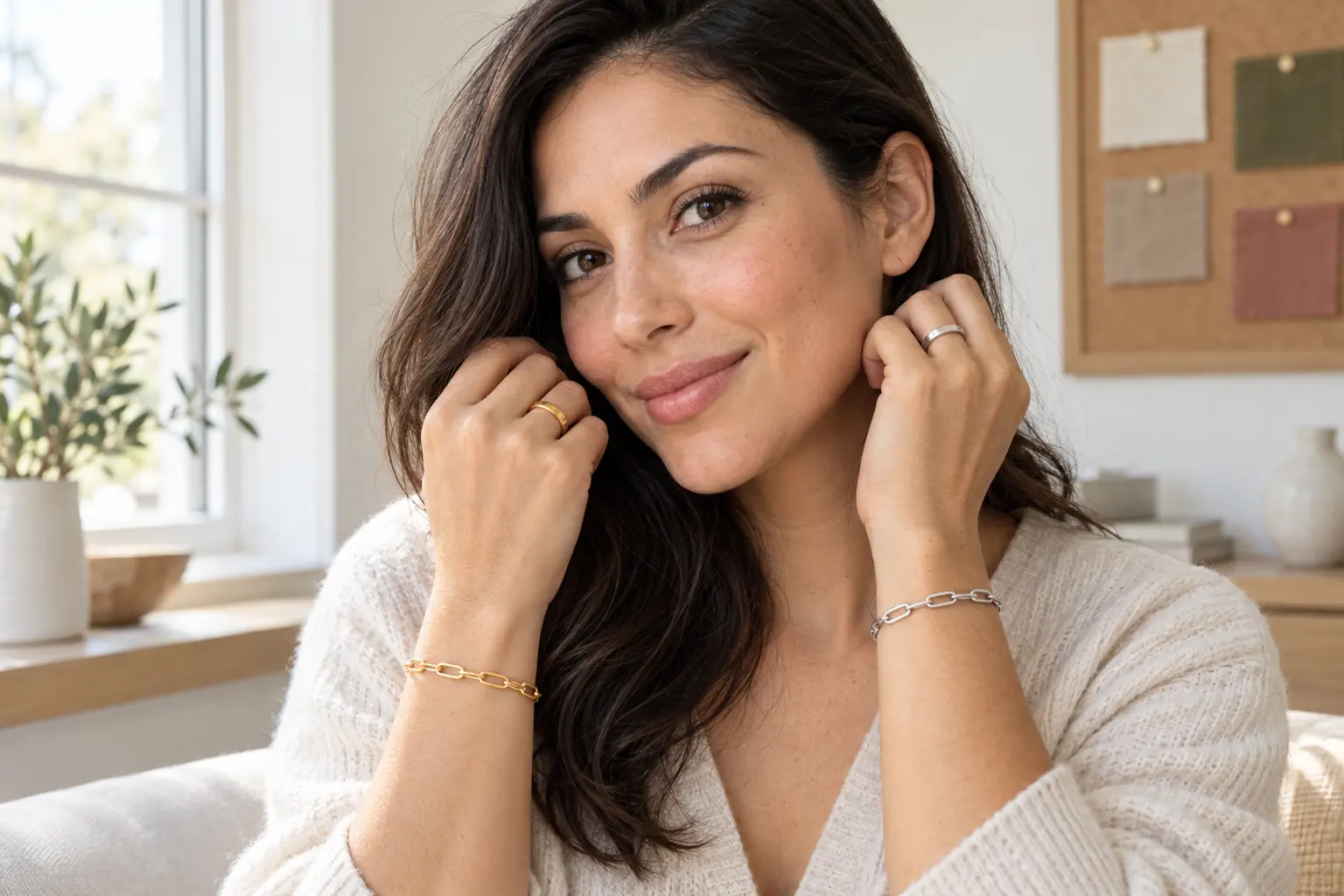
Gold or silver test
Which metal makes your skin glow.
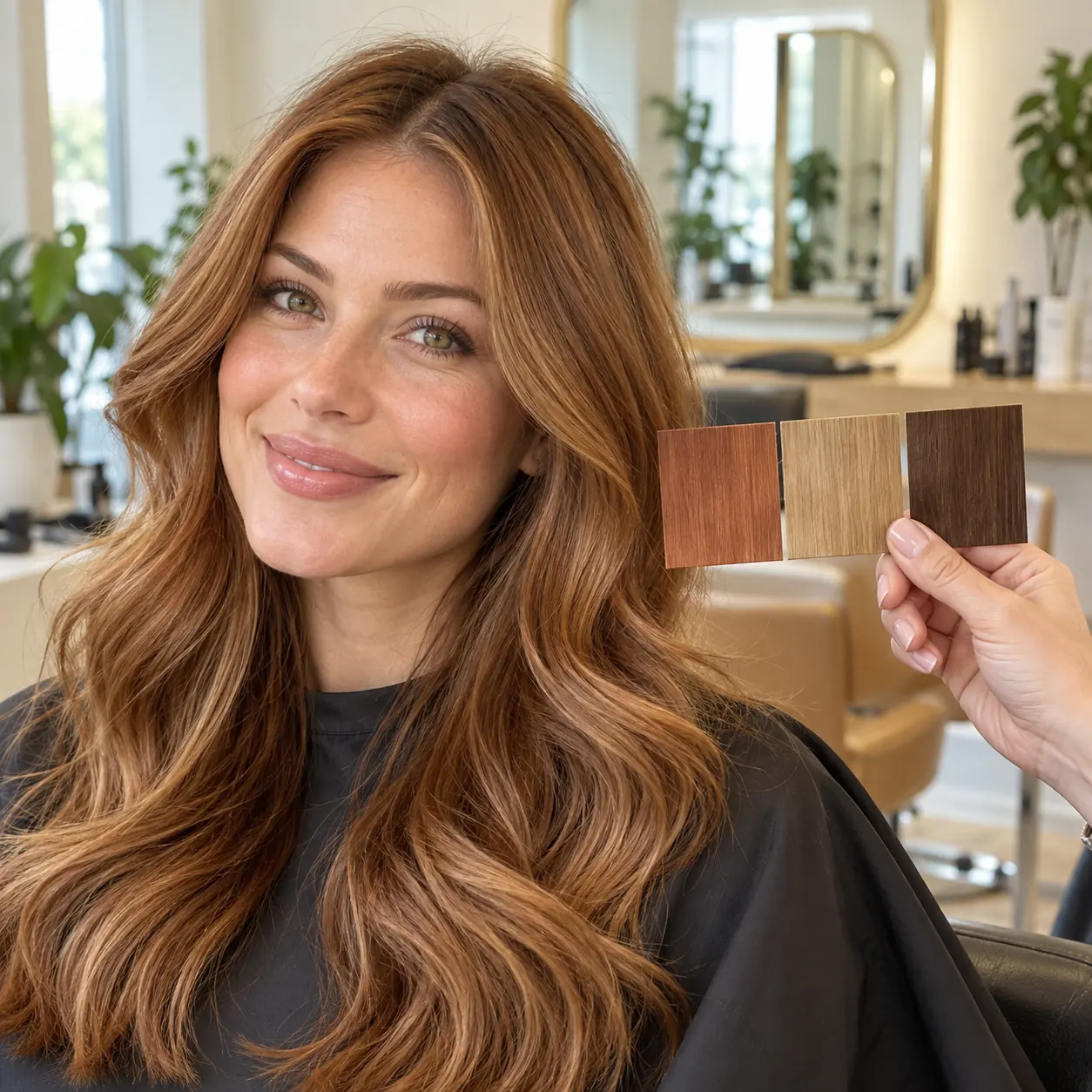
Hair color analysis
Hair shades that flatter your season.
Find your colors today
Start with the free test, or upload a selfie: the AI report gives your season, a 30-color palette, makeup and hair colors.